Is Rachael Ray Cookware Safe?
Everything you need to know about the materials, safety certifications, and proper usage of Rachael Ray cookware
Safety at a Glance
100% PFOA-Free
All modern collections
FDA Compliant
Meets all safety standards
Prop 65 Certified
Lead & cadmium safe
Non-Toxic
Safe for daily cooking
PFOA & PTFE: What You Need to Know
Understanding the difference between modern safe nonstick cookware and old Teflon technology is crucial for making informed decisions about your kitchen.
Rachael Ray is 100% PFOA-Free
All Rachael Ray cookware manufactured by Meyer Corporation (from 2006 to 2026) is completely PFOA-free. PFOA (Perfluorooctanoic Acid) was a chemical once used in the production of nonstick coatings that was phased out industry-wide by 2015 due to health concerns.
The bottom line: If you purchased Rachael Ray cookware in the last decade, it does not contain PFOA and meets modern safety standards.
What About PTFE (Teflon)?
PTFE (Polytetrafluoroethylene), commonly known by the brand name Teflon, is the nonstick coating used in most Rachael Ray cookware. Unlike PFOA, PTFE is considered safe for cooking when used properly.
Important: Avoid Overheating
When nonstick cookware is heated above 500°F, PTFE can begin to break down and release fumes. These fumes can cause temporary flu-like symptoms (known as "polymer fume fever"). To stay safe:
- • Never preheat an empty pan on high heat
- • Always use low to medium heat settings
- • Add oil or food before heating
- • Never leave nonstick cookware unattended on the stove
- • Ventilate your kitchen when cooking
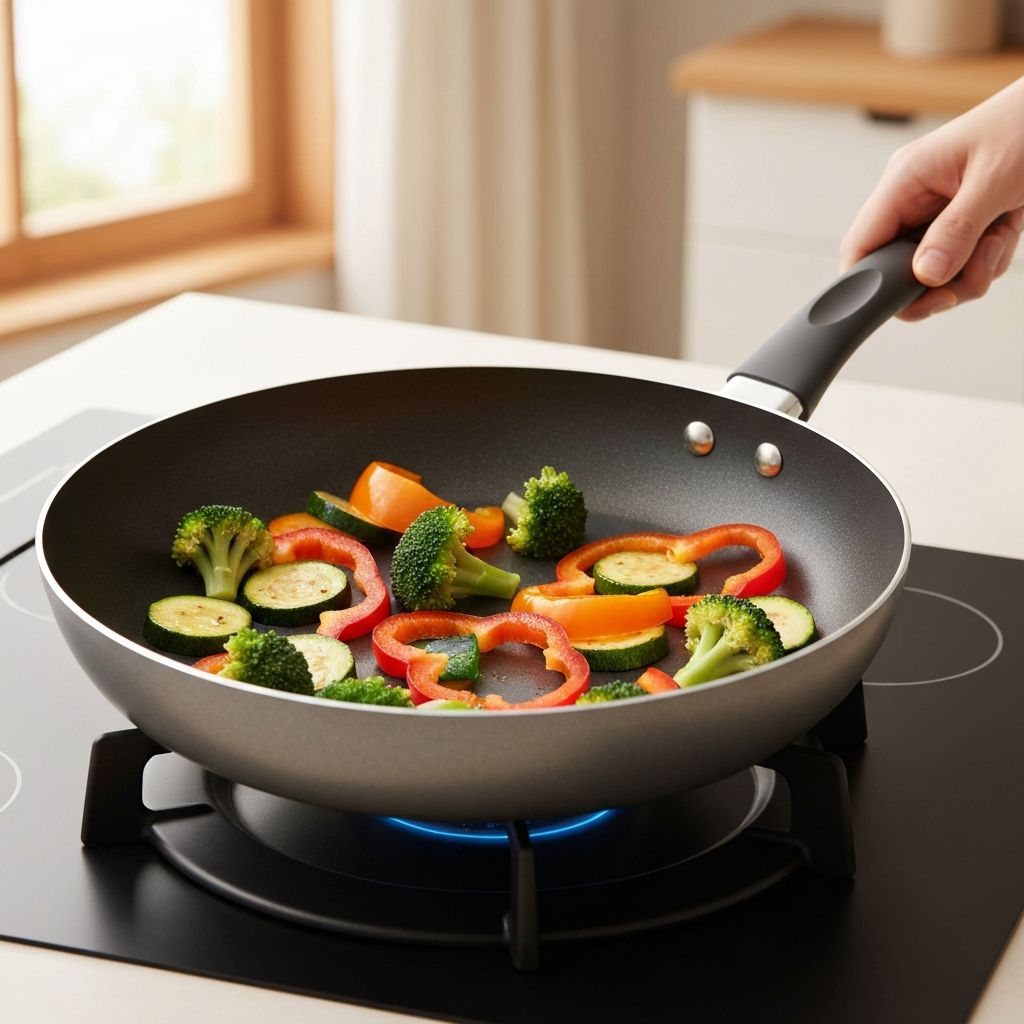
The Old Teflon vs. Modern Nonstick
Old Teflon (pre-2015) was manufactured using PFOA, which raised health concerns. Modern nonstick coatings, including those on Rachael Ray cookware, are made without PFOA using safer production methods.
Think of it this way: PFOA was the problem in production, not PTFE itself. Today's PTFE nonstick is made without PFOA and is safe when used correctly.
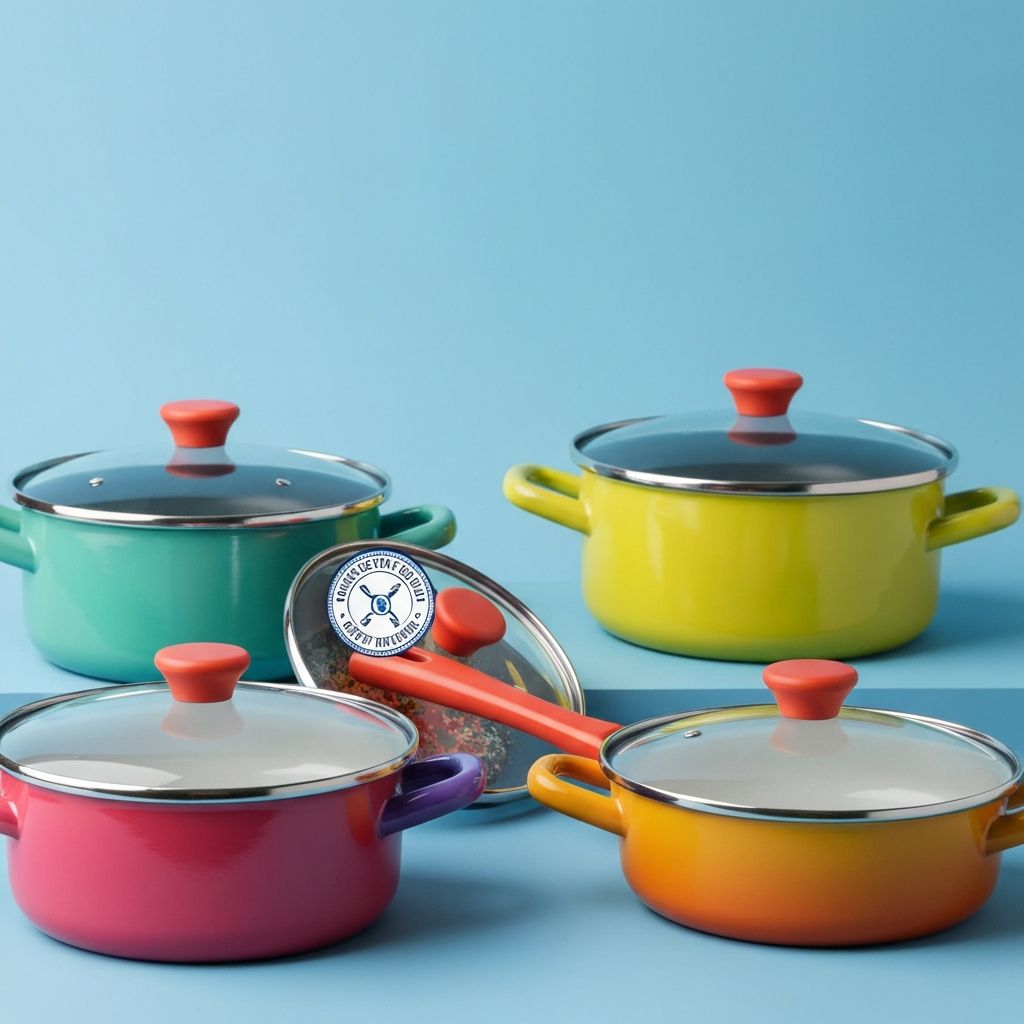
Lead & Cadmium Compliance
Rachael Ray cookware meets all FDA and California Proposition 65 regulations regarding lead and cadmium content, ensuring your safety with every meal you prepare.
What Are Lead & Cadmium?
Lead and cadmium are heavy metals that can be toxic if ingested in significant amounts. Historically, some colorful ceramic and enamel cookware contained these metals in their glazes and pigments.
However, modern cookware manufacturers, including Meyer Corporation (maker of Rachael Ray products), have eliminated these materials from their production processes to comply with strict safety regulations.
FDA Compliance
All Rachael Ray cookware meets FDA standards for food contact surfaces. The FDA sets strict limits on lead content in cookware that comes into contact with food, and all products are tested to ensure compliance.
California Proposition 65
California Prop 65 is one of the strictest consumer safety laws in the United States. It requires warnings on products that expose consumers to certain chemicals, including lead and cadmium.
Rachael Ray cookware complies with Prop 65 requirements, meaning lead and cadmium levels are below the threshold that would require warning labels.
What About the Colorful Exteriors?
The vibrant porcelain enamel exteriors (like the signature Agave Blue, Pumpkin Orange, and Cranberry Red) on Rachael Ray Cucina and other collections are made with lead-free and cadmium-free pigments.
These colorful finishes are purely decorative and baked onto the exterior surface. Even if there were trace amounts (which there aren't), the exterior enamel doesn't come into direct contact with your food, providing an additional layer of safety.
Is the Aluminum Core Safe?
Understanding why the aluminum construction in Rachael Ray cookware is completely safe for cooking
Why Aluminum?
Aluminum is one of the best materials for cookware construction because it:
- •Conducts heat exceptionally well: Distributes heat evenly across the cooking surface, eliminating hot spots
- •Heats quickly: Reduces cooking time and energy consumption compared to stainless steel
- •Lightweight yet durable: Easy to handle while providing long-lasting performance
- •Affordable: Allows for high-quality cookware at accessible prices
The Aluminum is Sealed & Protected
Here's the key safety feature: In all Rachael Ray cookware, the aluminum core is completely sealed and never comes into direct contact with your food.
Nonstick Collections (Cucina, Create Delicious, etc.)
The interior cooking surface is coated with a PFOA-free nonstick layer that creates a barrier between the aluminum and your food. The aluminum core provides heat distribution, but only the safe nonstick surface touches your ingredients.
Hard-Anodized Collections
Hard-anodized aluminum undergoes an electrochemical process that transforms the surface layer into a non-porous, inert material. This anodized layer is extremely hard (harder than stainless steel), non-reactive, and prevents any aluminum from leaching into food.
Enamel Collections
Porcelain enamel creates a glass-like coating fused to the aluminum at high temperatures. This enamel layer is completely non-reactive and acts as a permanent barrier between the aluminum core and your food.
What About Aluminum Exposure?
Some consumers worry about aluminum exposure from cookware. Here are the facts:
- Minimal dietary aluminum: Aluminum naturally occurs in many foods, water, and even in antacids. The amount from cookware is negligible when the aluminum is sealed.
- Body eliminates aluminum: The human body naturally eliminates aluminum through the kidneys. Healthy individuals process dietary aluminum without issue.
- No proven health risks: Decades of research have not found a link between aluminum cookware and health problems when used properly.
Oven Safety Temperature Limits
Understanding the maximum safe temperatures for your Rachael Ray cookware prevents damage and ensures safe cooking
Pans & Pots
Most Rachael Ray cookware bodies (nonstick, hard-anodized, enamel) are oven safe up to 400°F (204°C)
Glass Lids
Tempered glass lids have a lower temperature threshold to prevent thermal shock and cracking
Silicone Handles
Grippy silicone handles are heat resistant but may become hot in the oven. Use oven mitts.
Collection-Specific Temperature Limits
Cucina Collection
400°FPots & Pans: Oven safe to 400°F
Glass Lids: Oven safe to 350°F
Note: The porcelain enamel exterior can handle high heat, but always follow the lowest temperature limit of your lid.
Hard-Anodized Nonstick
400°FPans: Oven safe to 400°F
Lids: Oven safe to 350°F (glass) or 400°F (metal)
Hard-anodized aluminum can withstand higher temperatures, but the nonstick coating limits oven use to 400°F.
Create Delicious (PlatinumShield)
400°FCookware: Oven safe to 400°F
Lids: Oven safe to 350°F
The upgraded PlatinumShield nonstick is more durable but still limited to 400°F for optimal performance.
Classic Brights
350°FPans: Oven safe to 350°F
Glass Lids: Oven safe to 350°F
The original Classic Brights line has a slightly lower temperature limit than newer collections.
Important Safety Reminders
- •Always check your specific product packaging for exact temperature limits, as they may vary between production runs and collections.
- •Handles will become hot in the oven. Always use oven mitts or pot holders when removing cookware from the oven, even if the handles are silicone.
- •Never use nonstick cookware under the broiler. The intense direct heat can exceed safe temperature limits and damage the nonstick coating.
- •Remove glass lids before broiling to prevent thermal shock and potential shattering.
Frequently Asked Safety Questions
Can I use metal utensils on Rachael Ray cookware?
No, metal utensils can scratch the nonstick coating. Always use silicone, nylon, or wooden utensils to protect the nonstick surface and extend the life of your cookware. See our Care & Cleaning Guide for more details.
Is it safe to cook acidic foods in Rachael Ray pans?
Yes, the nonstick coating and hard-anodized surfaces are non-reactive, so you can safely cook tomatoes, citrus, vinegar-based sauces, and other acidic ingredients without worrying about metallic taste or chemical reactions.
What if my nonstick coating starts to peel or flake?
If the nonstick coating is damaged, discontinue use. While small amounts of ingested nonstick coating are generally considered non-toxic and will pass through the digestive system, a damaged pan won't perform well and should be replaced. Most Rachael Ray cookware comes with a limited lifetime warranty.
Can I use Rachael Ray cookware on induction cooktops?
It depends on the collection. The Create Delicious line is induction-compatible, while Cucina and Classic Brights are not. Check our Collections Comparison Guide for full details on induction compatibility.
Are the colored handles on Rachael Ray cookware toxic?
No, the Grippy silicone handles are made from food-grade silicone that is BPA-free, phthalate-free, and heat-resistant up to 400°F. The colorful pigments used are FDA-approved and completely safe for kitchen use.
Is Rachael Ray cookware safe for birds?
Pet birds have extremely sensitive respiratory systems. While the PTFE nonstick coating is safe for humans when used properly, overheating nonstick cookware (above 500°F) can release fumes that are harmful to birds. If you have pet birds, use extra caution: never preheat empty pans, always use low to medium heat, and ensure good kitchen ventilation.
Shop with Confidence
Rachael Ray cookware meets the highest safety standards, giving you peace of mind with every meal you prepare for your family.
Explore Safe Collections