Care & Maintenance Guide
Proper care ensures your Rachael Ray cookware stays beautiful and performs perfectly for years to come
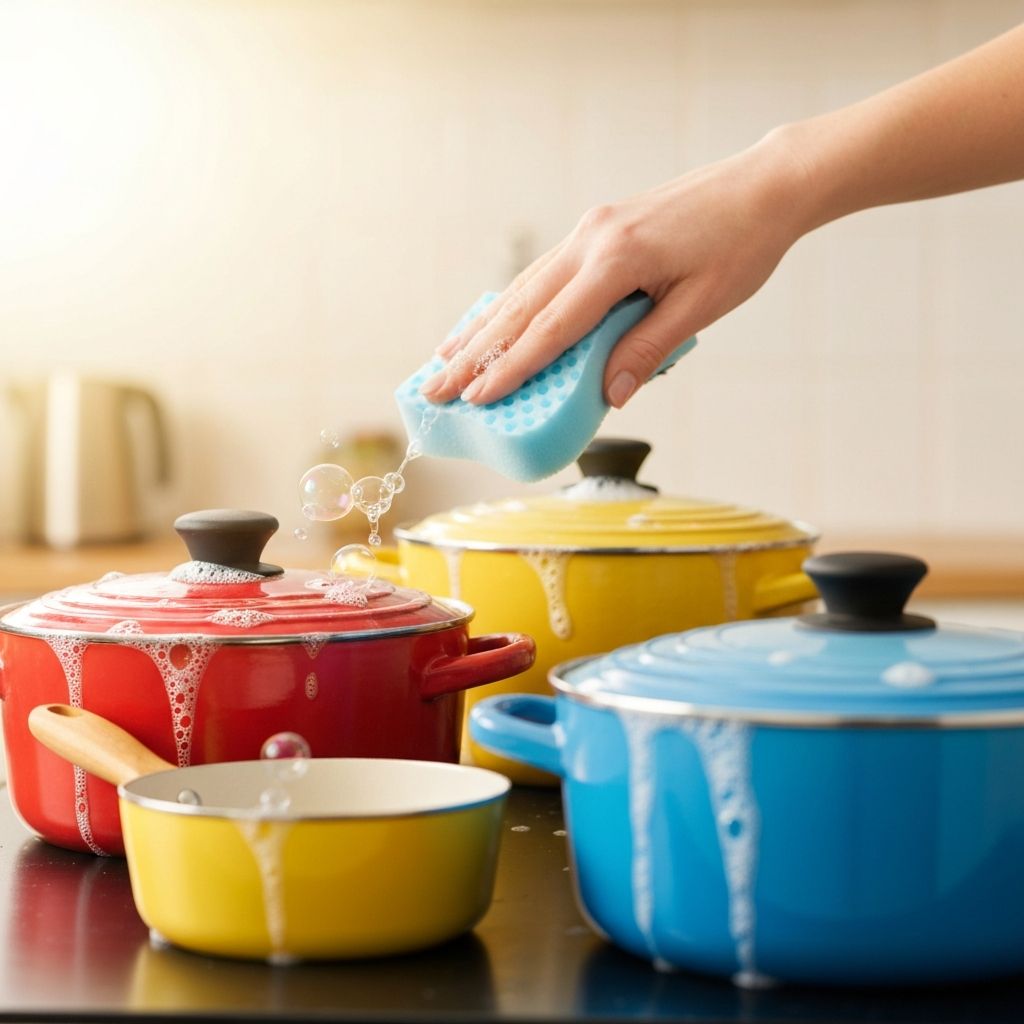
Hand Wash Preferred
Preserve colors and nonstick coating
Use Soft Utensils
Silicone, nylon, or wood only
Avoid Thermal Shock
Never put hot pans in cold water
Keep It Beautiful
Simple care maintains vibrant colors
Hand Washing vs. Dishwasher Safety
While many Rachael Ray cookware pieces are labeled as dishwasher safe, hand washing is strongly recommended to preserve the beauty and performance of your pots and pans. Here's why:
Why Hand Washing is Better
- •Preserves Vibrant Colors: Dishwasher detergents contain harsh chemicals that can cause the signature gradient enamel exterior to fade over time, losing that beautiful Agave Blue, Pumpkin Orange, or Cranberry Red finish.
- •Protects Nonstick Coating: High heat and abrasive detergents in dishwashers can gradually degrade the PFOA-free nonstick surface, reducing its effectiveness and lifespan.
- •Maintains Handle Integrity: The signature Grippy silicone handles can become brittle or discolored with repeated exposure to dishwasher heat cycles.
- •Extends Overall Lifespan: Hand washing is gentler on all components—from the aluminum core to the rivets—ensuring your cookware performs beautifully for years.
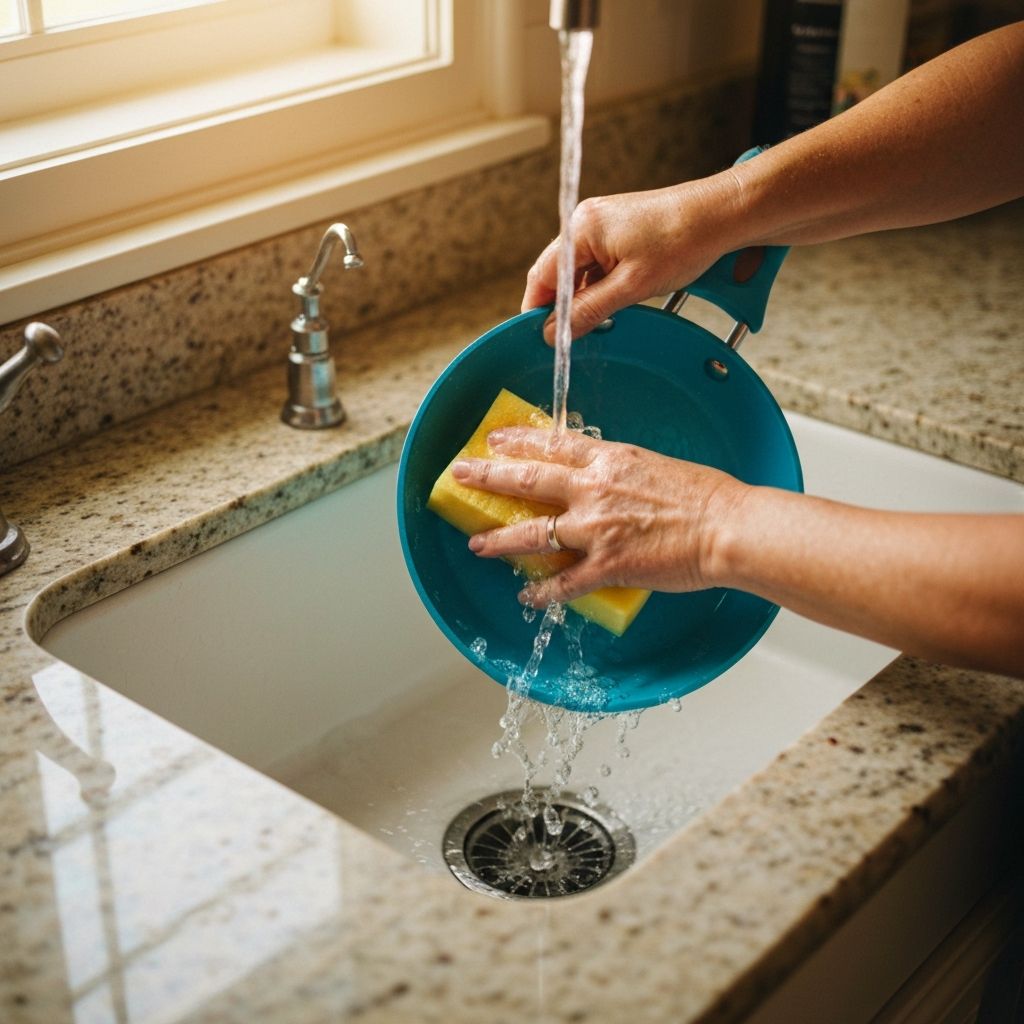
Proper Hand Washing Technique
- Allow cookware to cool completely before washing
- Use warm water and a mild dish soap
- Wash with a soft sponge or cloth (never abrasive scrubbers)
- Rinse thoroughly with clean water
- Dry immediately with a soft towel to prevent water spots
Choose the Right Tools
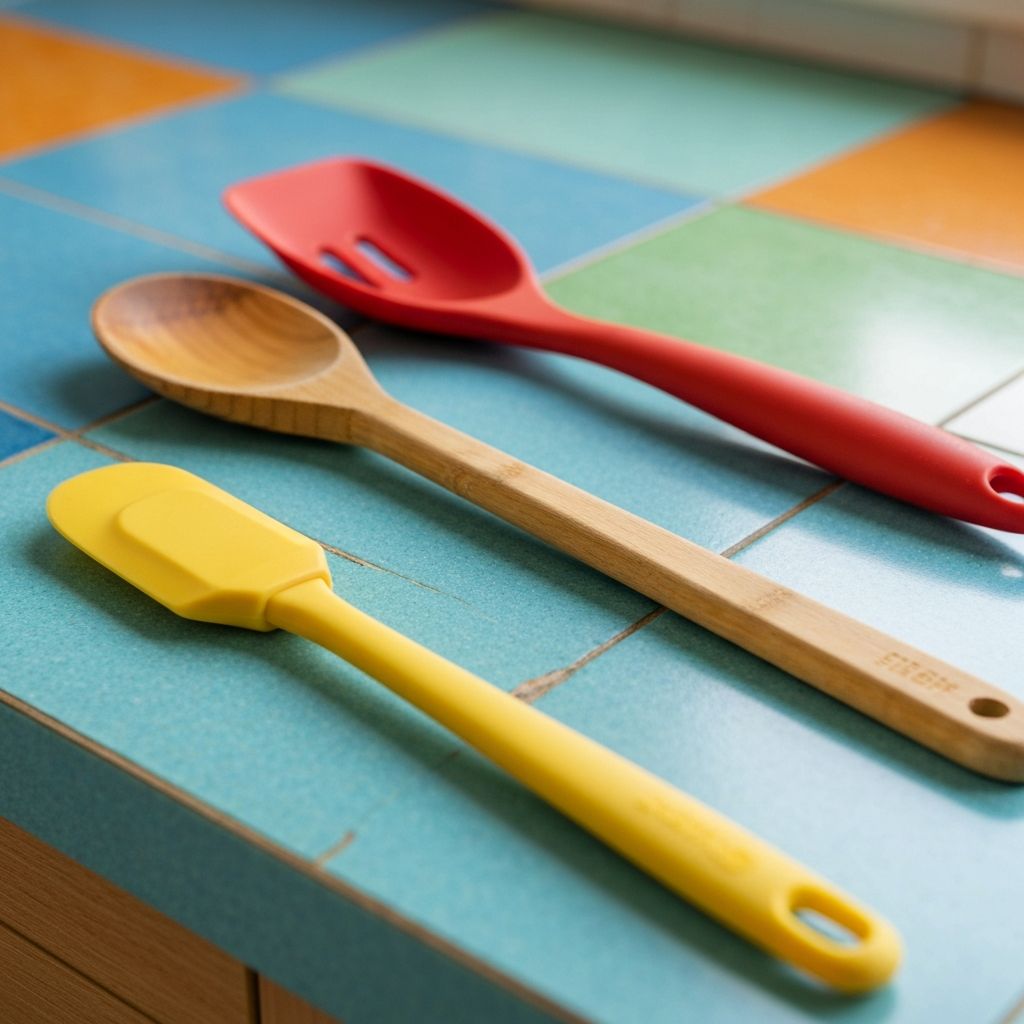
Protecting your nonstick surface starts with using the right cooking utensils. Metal spatulas, spoons, and whisks can scratch and damage the nonstick coating, significantly reducing its performance and lifespan.
Recommended Safe Utensils
- ✓Silicone Spatulas & Spoons: Heat-resistant up to 500°F, flexible, and gentle on nonstick surfaces. Perfect for stirring, flipping, and scraping.
- ✓Nylon Utensils: Lightweight and durable, nylon tools won't scratch your pans and are dishwasher safe for easy cleanup.
- ✓Wooden Spoons & Spatulas: Classic, natural, and safe for all cookware. Wood doesn't conduct heat and is gentle on nonstick coatings.
- ✓Bamboo Tools: Eco-friendly alternative to wood with similar benefits and durability.
Avoid These Utensils
- ✗Metal spatulas, spoons, and forks
- ✗Wire whisks
- ✗Sharp knives for cutting in the pan
- ✗Abrasive scouring pads or steel wool
Avoid Thermal Shock
Thermal shock occurs when cookware experiences a sudden, extreme temperature change. This can cause serious damage to your Rachael Ray pots and pans, including warping, cracking, and permanent deformation.
Never Do This
- ⚠Don't Put Hot Pans in Cold Water: After cooking, never immediately run your hot pan under cold water or submerge it in a cold sink. The rapid temperature change can cause the metal to warp or even crack porcelain enamel finishes.
- ⚠Don't Add Cold Liquid to Hot Pans: Pouring cold water, stock, or wine into an extremely hot pan can also cause thermal shock. Let the pan cool slightly first.
- ⚠Don't Place Cold Pans on High Heat: Always preheat gradually. Going from refrigerator temperature directly to high heat can stress the metal.
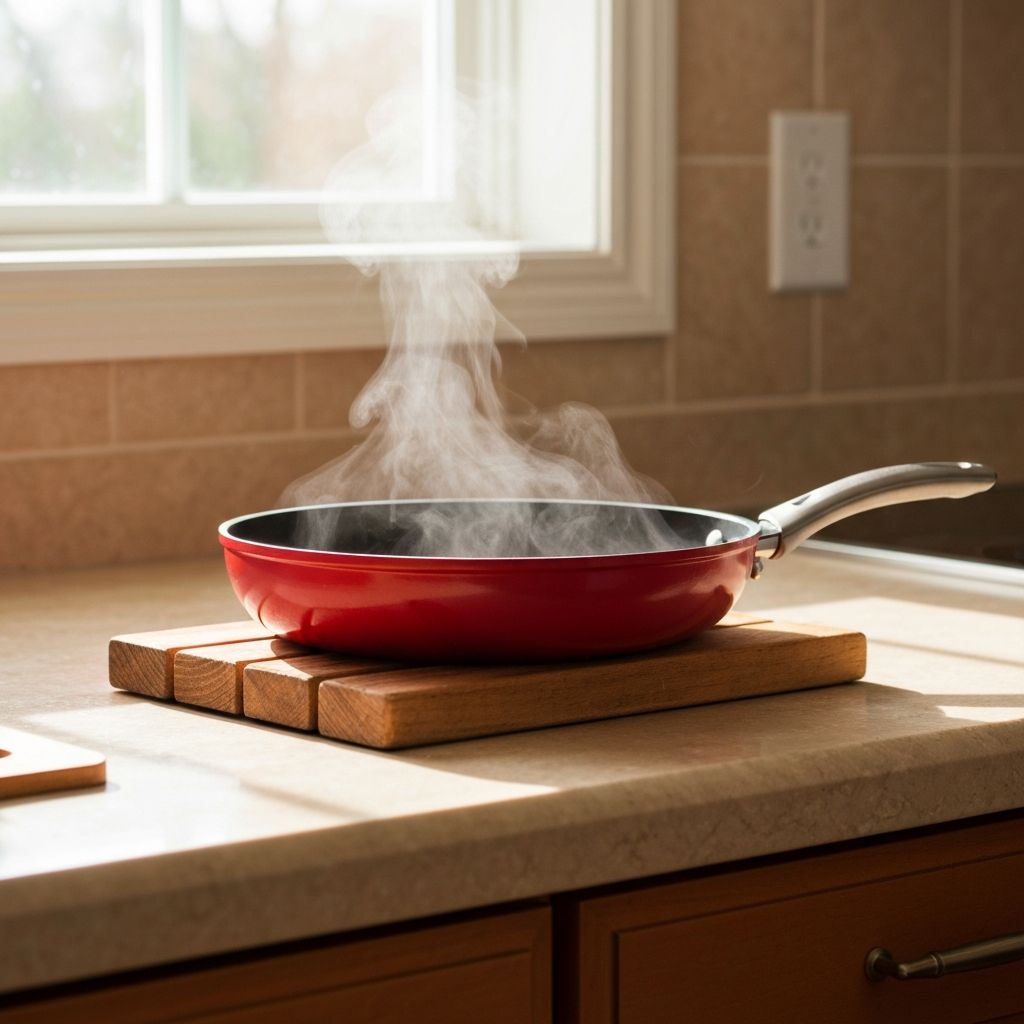
The Right Way to Cool Down
- Remove from heat source and place on a heat-safe trivet or cooling rack
- Allow to cool naturally for 10-15 minutes at room temperature
- Test the temperature by hovering your hand near the surface (not touching)
- Wash with warm water once the pan is cool to the touch
Stain Removal & Deep Cleaning
Even with regular care, cookware can develop stubborn stains, grease buildup, or discoloration. Here are proven methods to restore your Rachael Ray cookware to its original beauty.
For Enamel Exteriors
The colorful porcelain enamel exterior of Cucina and other collections can accumulate grease stains and discoloration.
1. Baking Soda Paste Method
- • Mix 3 parts baking soda with 1 part water to create a thick paste
- • Apply paste to stained areas with a soft cloth
- • Gently rub in circular motions
- • Let sit for 15-20 minutes for tough stains
- • Rinse thoroughly with warm water and dry
2. Vinegar Solution
- • Mix equal parts white vinegar and water
- • Apply to stained exterior with soft cloth
- • Wipe clean and rinse with water
- • Great for mineral deposits and light discoloration
3. Bar Keeper's Friend
- • For stubborn exterior stains only (not interior nonstick)
- • Make a paste with water
- • Apply gently with soft cloth
- • Rinse immediately and thoroughly
For Nonstick Interiors
Nonstick surfaces require gentler cleaning methods to preserve the coating.
1. Boiling Water Method
- • Fill pan with water and a few drops of dish soap
- • Bring to a gentle boil on stovetop
- • Let simmer for 5-10 minutes
- • Allow to cool, then wash normally
- • Perfect for burnt-on food residue
2. Baking Soda Gentle Scrub
- • Sprinkle baking soda directly on stains
- • Add a few drops of water to dampen
- • Gently rub with soft sponge or cloth
- • Never use abrasive scrubbers on nonstick
3. Oil Seasoning
- • After deep cleaning, lightly coat interior with cooking oil
- • Wipe away excess with paper towel
- • Heat on low for 1-2 minutes
- • This rejuvenates the nonstick surface
What NOT to Use
Avoid these cleaning methods that can permanently damage your cookware:
- ✗Steel wool or metal scouring pads
- ✗Abrasive cleansers or powders
- ✗Chlorine bleach solutions
- ✗Oven cleaner sprays
- ✗Sharp objects for scraping
- ✗Harsh chemical cleaners
Additional Care Tips
Follow these best practices to maximize the lifespan and performance of your Rachael Ray cookware.
Heat Settings
Use low to medium heat for most cooking. High heat is rarely necessary with quality nonstick cookware and can damage the coating over time.
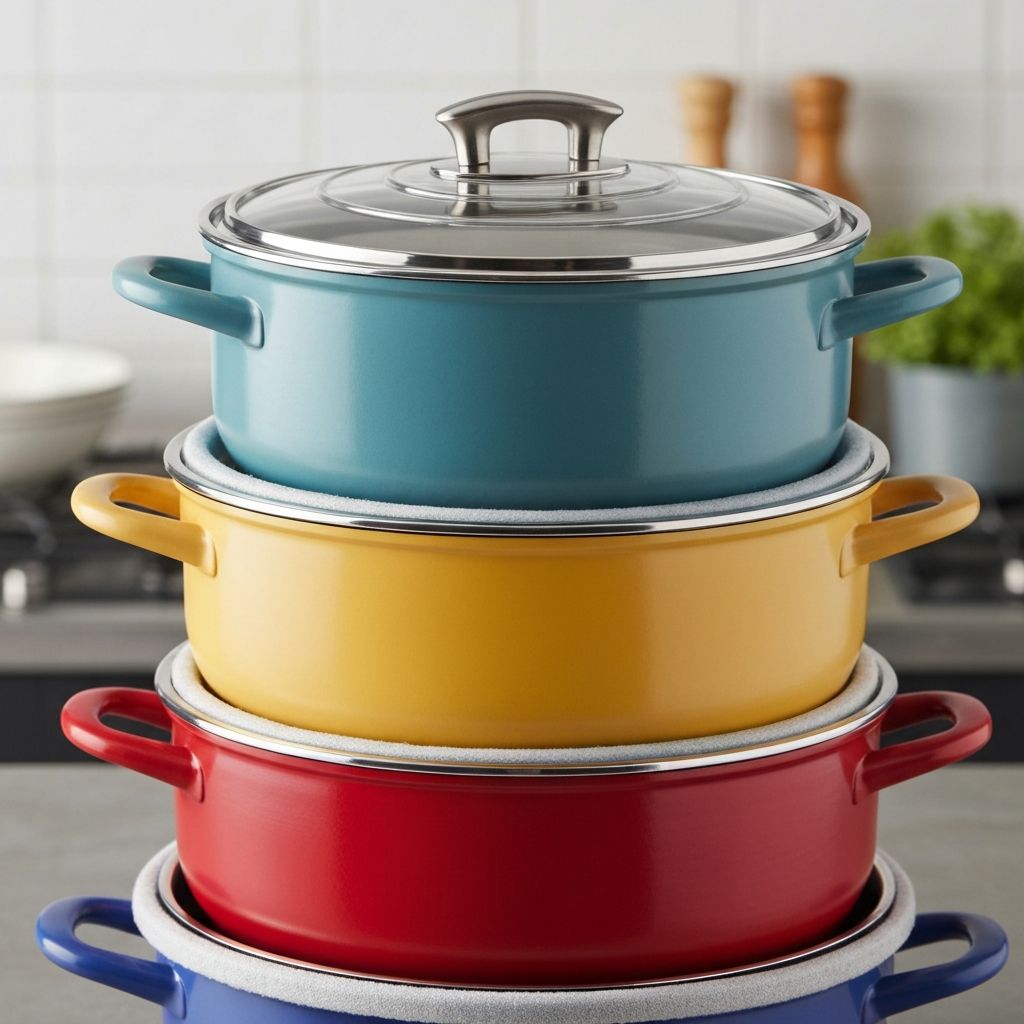
Proper Storage
Stack pans carefully with soft cloth or paper towels between them to prevent scratching. Hang pots and pans when possible to avoid stacking altogether.
Regular Inspection
Periodically check handles, rivets, and nonstick coating for wear. Address issues early to prevent further damage and ensure safe cooking.
Cooking Spray
Avoid aerosol cooking sprays as they can build up on nonstick surfaces. Instead, use a small amount of butter, oil, or invest in a refillable oil mister.
Oven Safety
Most Rachael Ray cookware is oven safe to 350°F-400°F (check your specific collection). Always use oven mitts as handles will become hot.
Warranty Care
Register your cookware and retain purchase receipts. Proper care is required to maintain warranty coverage for manufacturing defects.
Frequently Asked Questions
How often should I deep clean my Rachael Ray cookware?
For everyday use, wash after each use with mild soap and water. Deep clean with baking soda paste or boiling water method every 1-2 months or when you notice buildup. Professional-level cleaning is rarely needed with proper daily maintenance.
Can I use my Rachael Ray pans on an induction cooktop?
It depends on your collection. The Create Delicious line is induction-compatible. Cucina and most hard-anodized sets are not. Check the product specifications or look for an induction symbol on the bottom of your cookware.
Why is my nonstick coating starting to peel?
Peeling typically occurs from using metal utensils, overheating, or thermal shock. Always use silicone, nylon, or wooden utensils, cook on medium heat or lower, and never put hot pans in cold water. If peeling has begun, discontinue use for food safety.
How do I restore faded enamel colors?
Unfortunately, once enamel colors fade, they cannot be fully restored. However, you can minimize further fading by hand washing, avoiding harsh detergents, and storing properly. Prevention through proper care is key to maintaining vibrant colors.